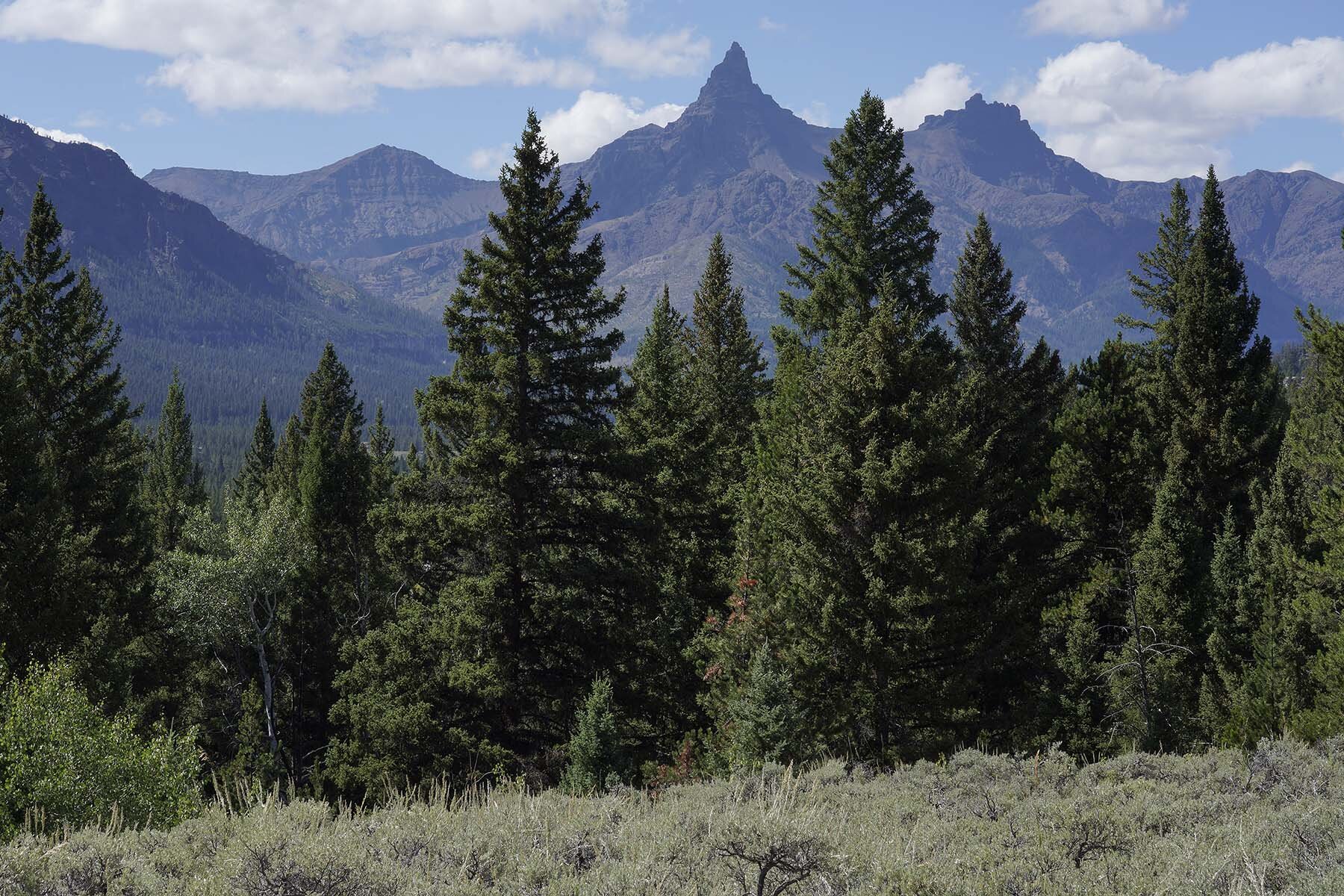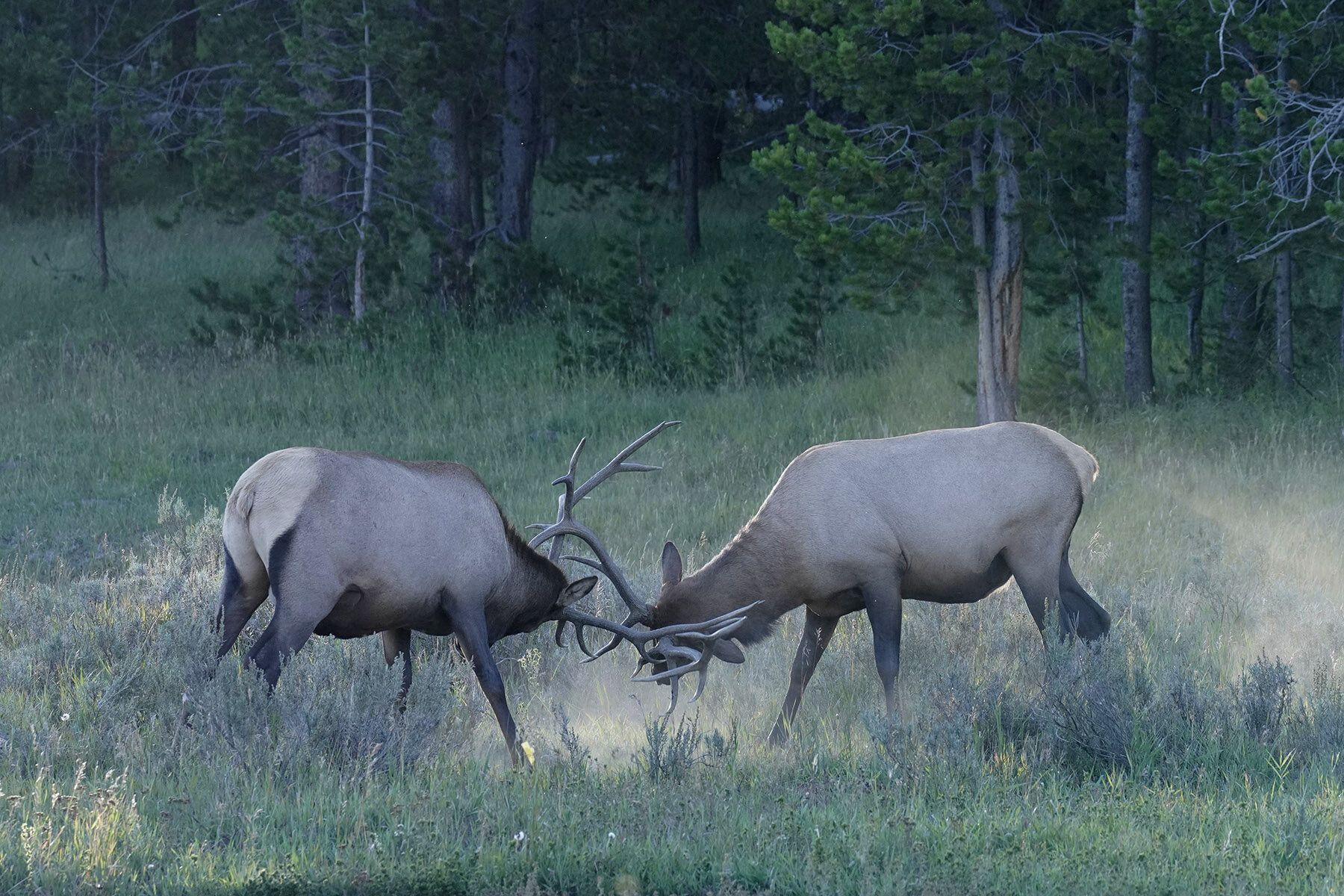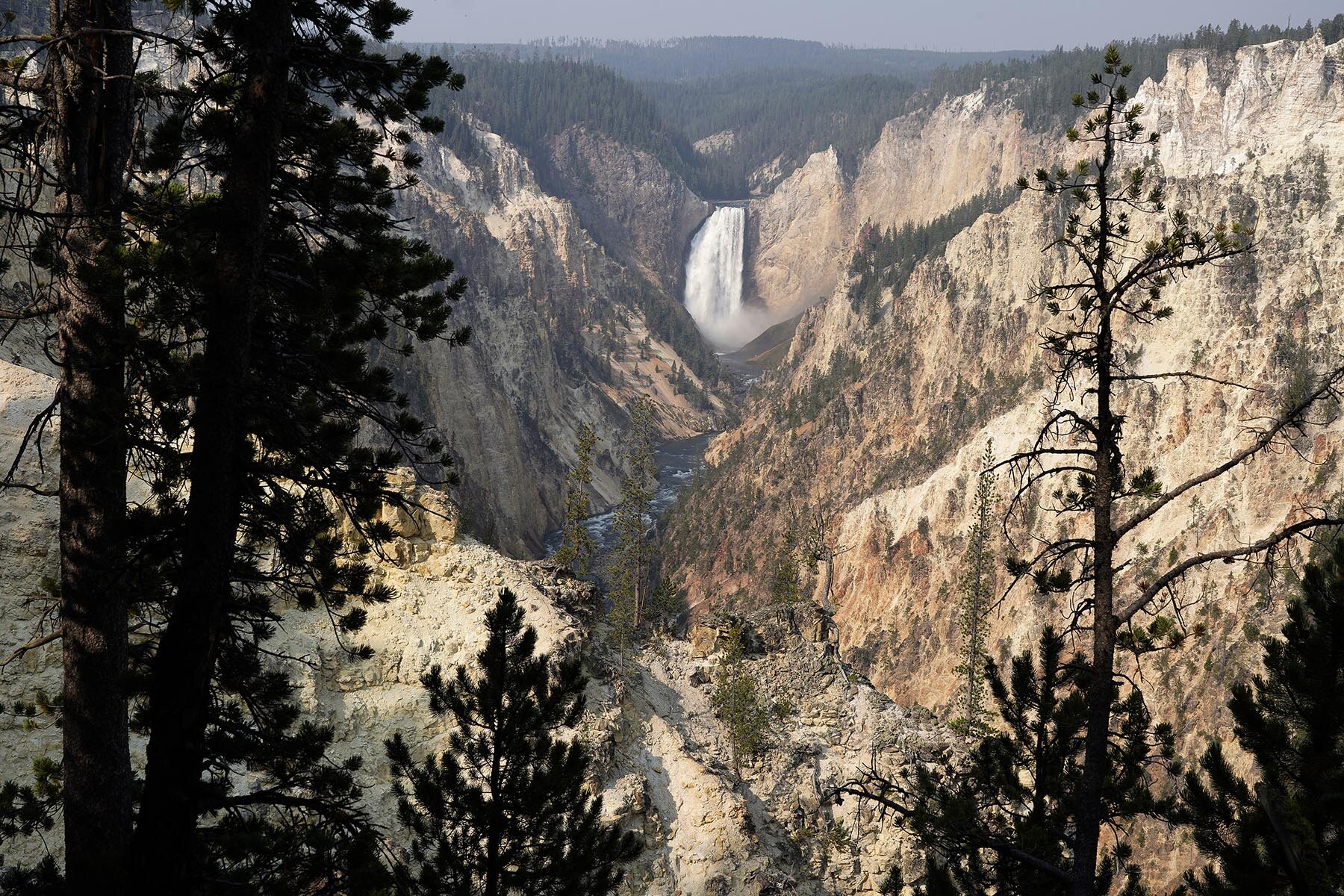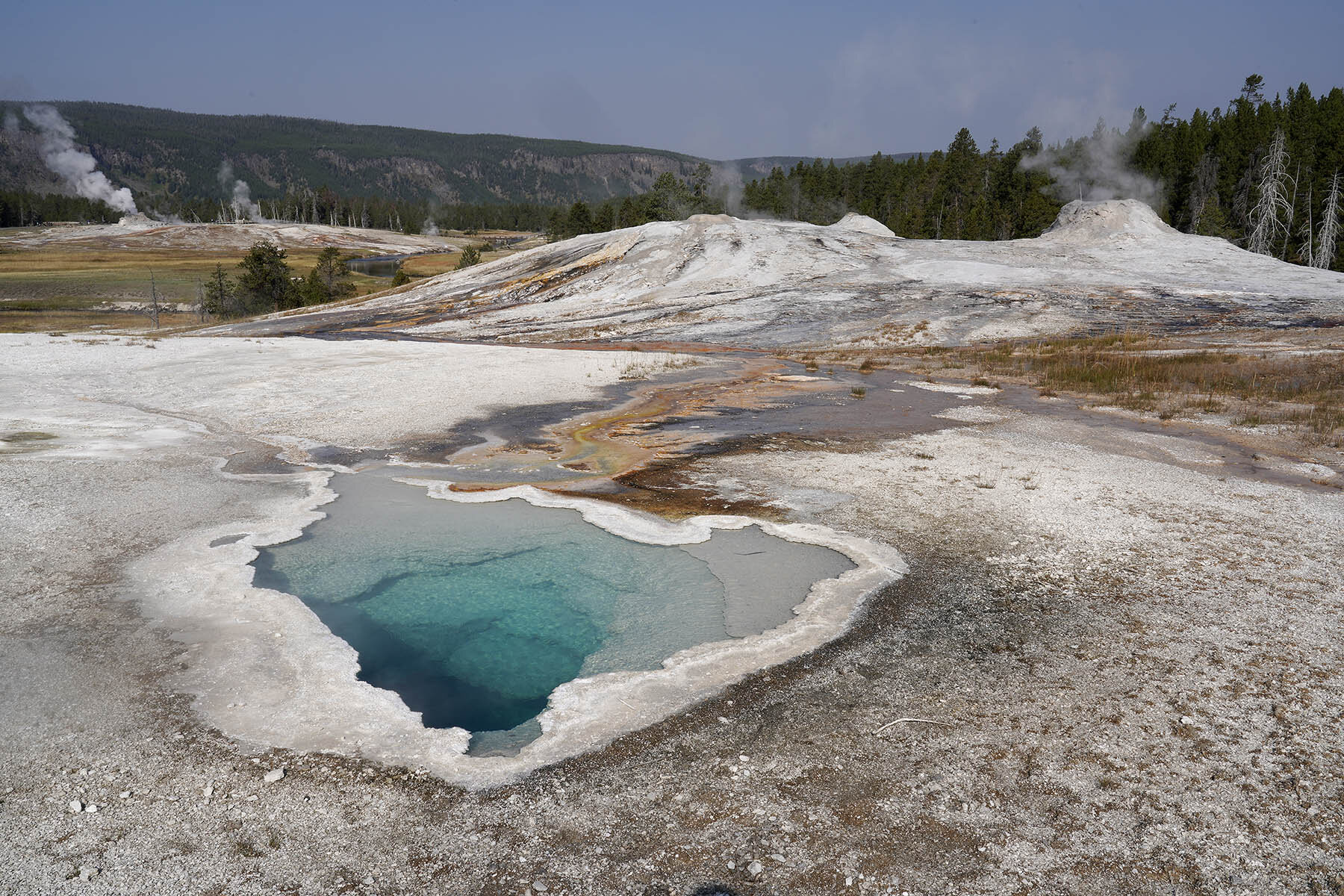
In my previous post, I described the first half of our fall 2025 trip through Utah and Colorado—flying from Asheville to Salt Lake City, then traveling on to Price, Utah, and Grand Junction, Colorado. After five nights in Grand Junction exploring Colorado National Monument and Grand Mesa, we headed north to Vernal, Utah, near the Colorado–Utah border. We spent five nights there using it as a base to explore Dinosaur National Monument and the surrounding region.
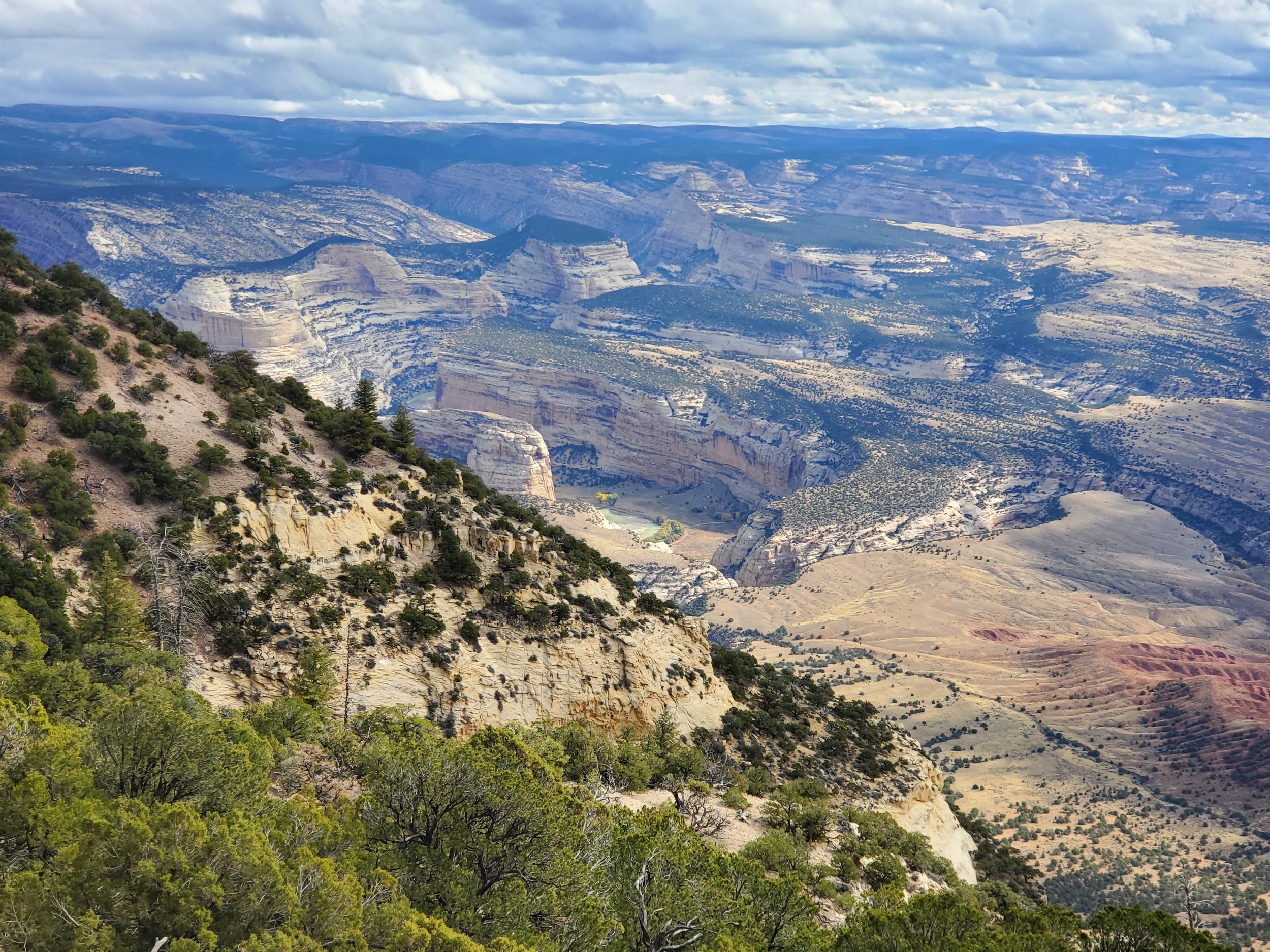
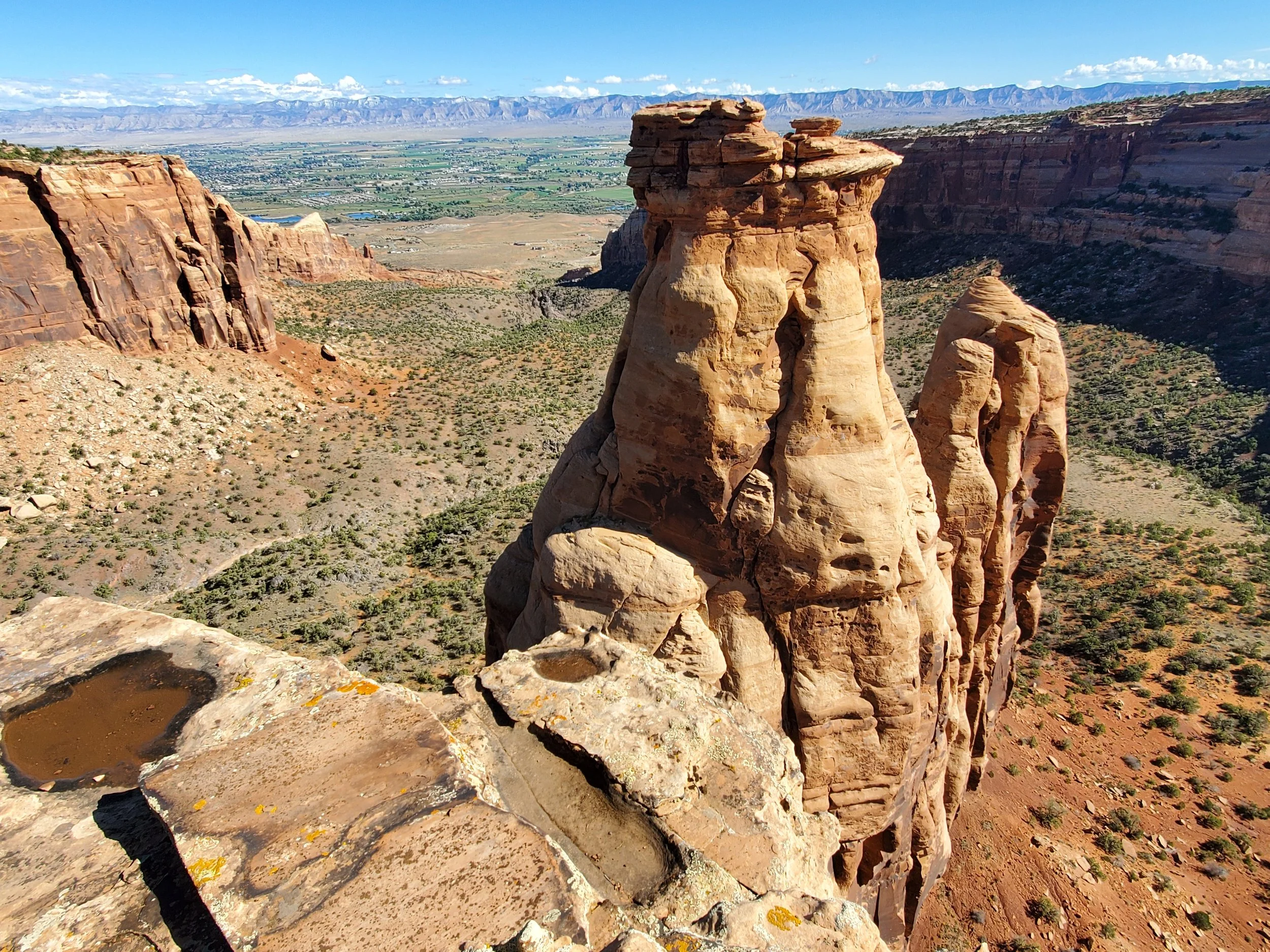
View of Steamboat Rock from main drive in Dinosaur National Monument
This is working country—dominated by oil and gas extraction and mining—and by October most of the tourists had long since departed. The government shutdown likely reduced visitation even further. One day we drove thirty-four miles from the southern entrance of Dinosaur National Monument to the end of the road without passing a single vehicle. While having such a vast place to yourself is a rare gift, it can also be a little unsettling. The area is extremely remote, with no cell service and limited ranger presence, especially during the shutdown. If you get into trouble here, you need to be prepared. A four-wheel-drive vehicle wasn’t strictly necessary for the main roads, but with many dirt and gravel routes, high clearance and off-road capability felt like a wise choice.
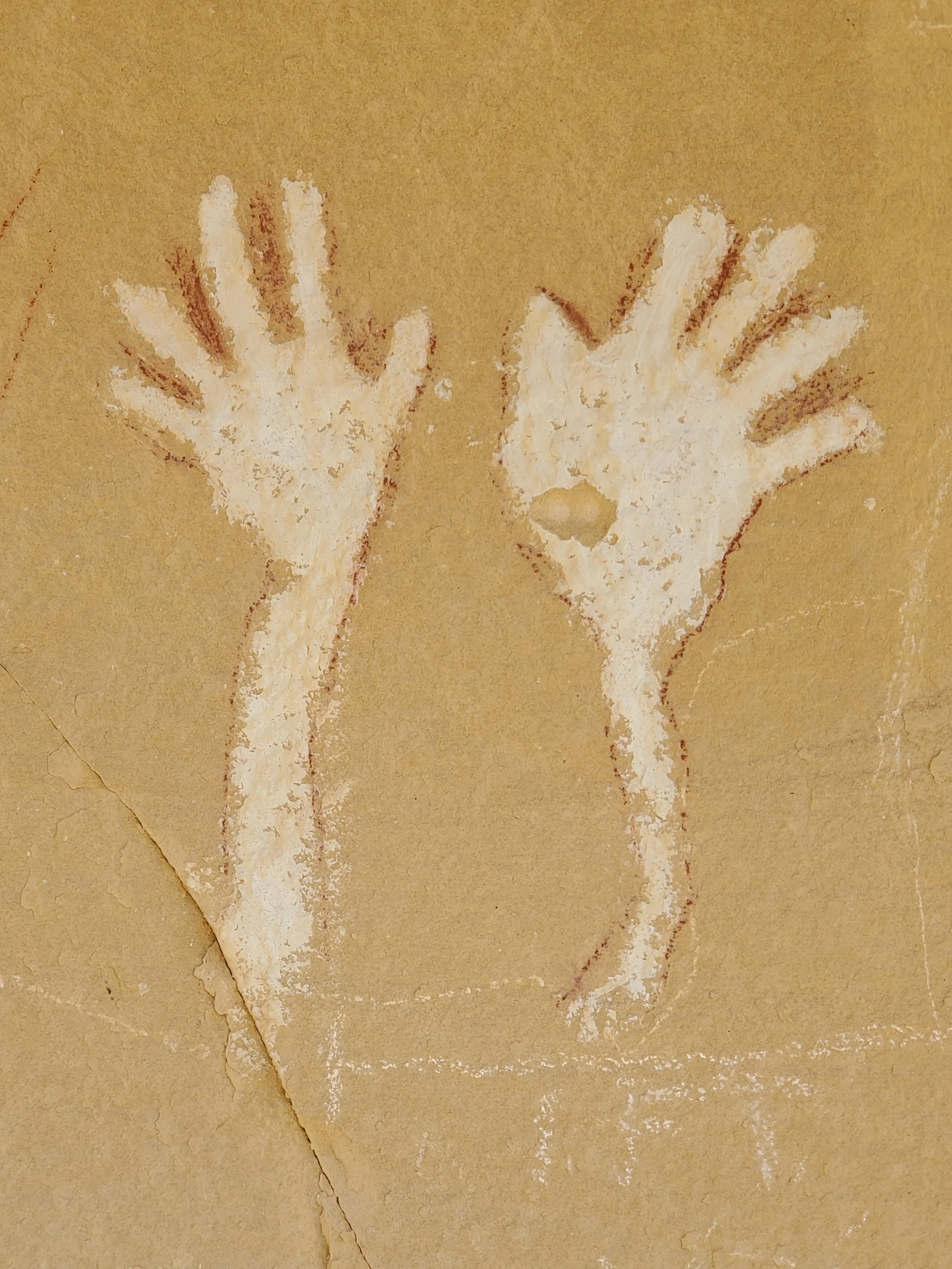
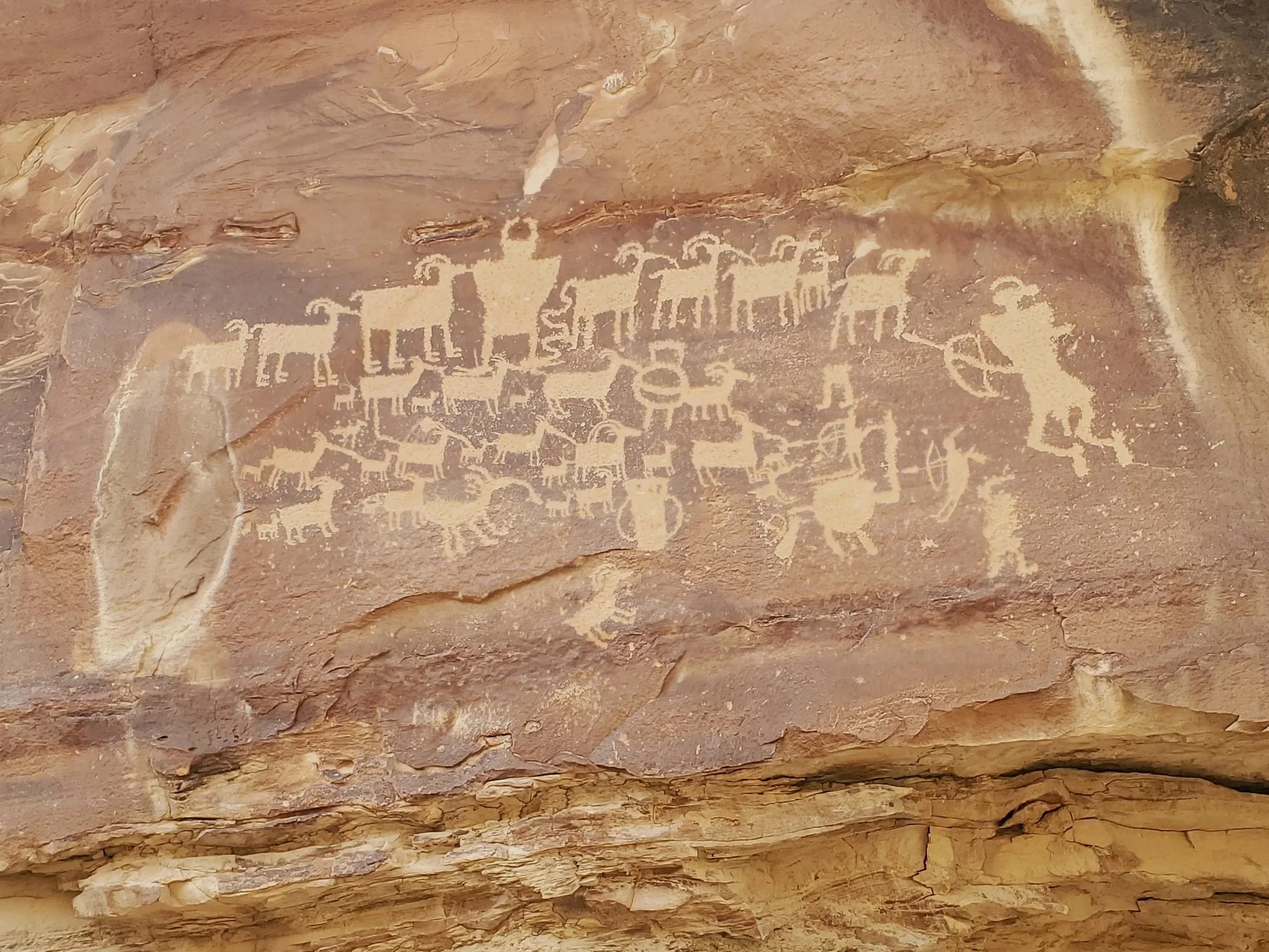
Pictograph in Canyon Pintado
On the drive from Grand Junction to Vernal, we took a narrow two-lane road through Canyon Pintado, stopping at rock art sites along the way. Many were right beside the road, making them easy and rewarding to visit. The variety was remarkable, including both pictographs—painted onto rock surfaces—and petroglyphs, which are chipped into darker, desert-varnished stone.
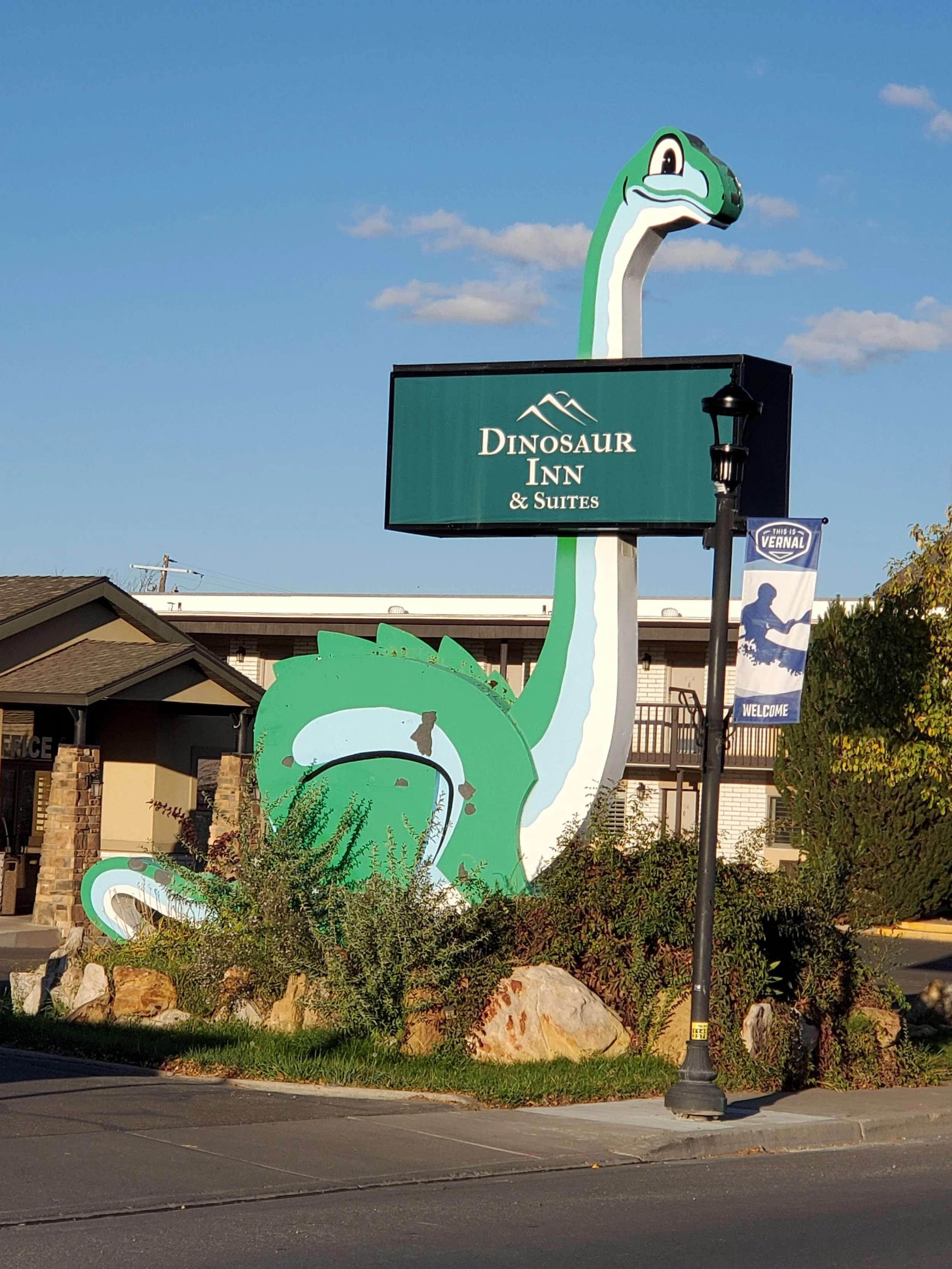
Vernal itself is a no-nonsense working town, but it has good restaurants, grocery stores, and a range of modest motels along the main strip. We stayed at the Dinosaur Inn & Suites, an older but clean strip motel with an excellent breakfast each morning and a small on-site laundry—always a bonus on a long trip. Several restaurants and gift shops were within walking distance, and I’ll admit I love motels where you can park right outside your door for easy loading and unloading.
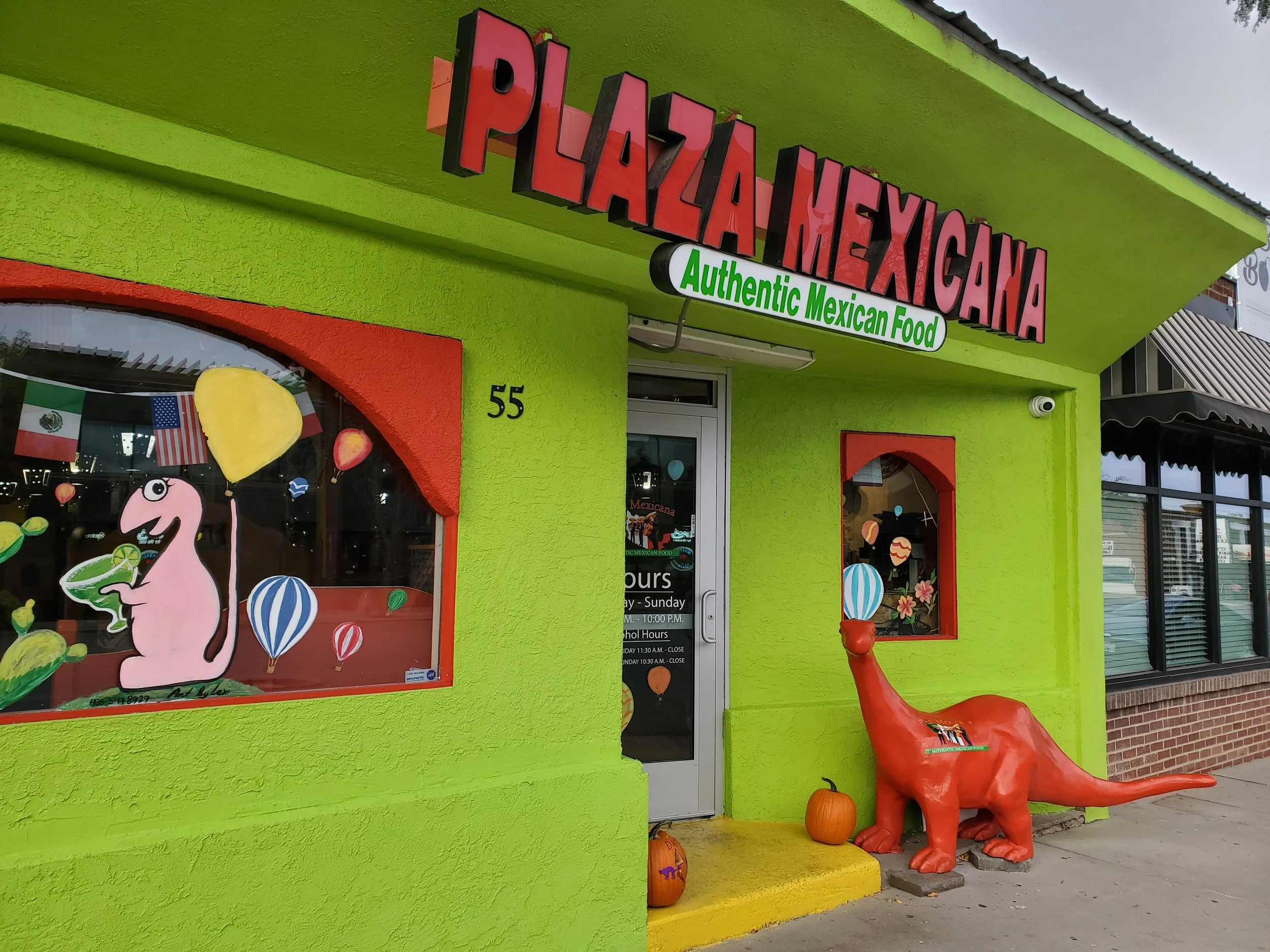
Vernal embraces its dinosaur identity. Small dinosaur replicas appear throughout town in front of businesses, not unlike the painted bears in Hendersonville, North Carolina. Dinosaur National Monument is the primary attraction here, yet it receives only about 300,000 visitors a year—compared to more than 13 million annually at our neighboring Great Smoky Mountains National Park. Even in peak season, crowds are minimal.
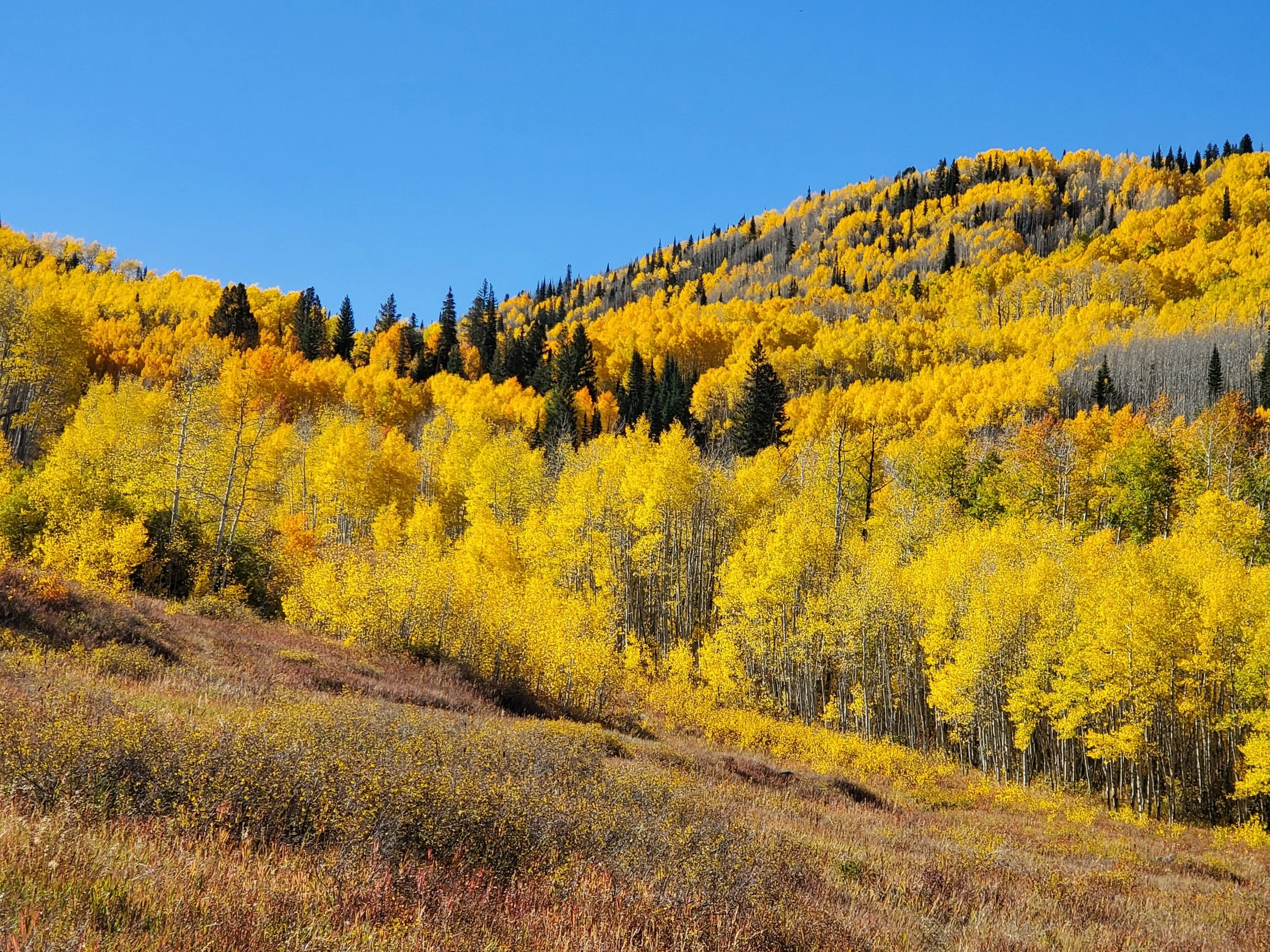
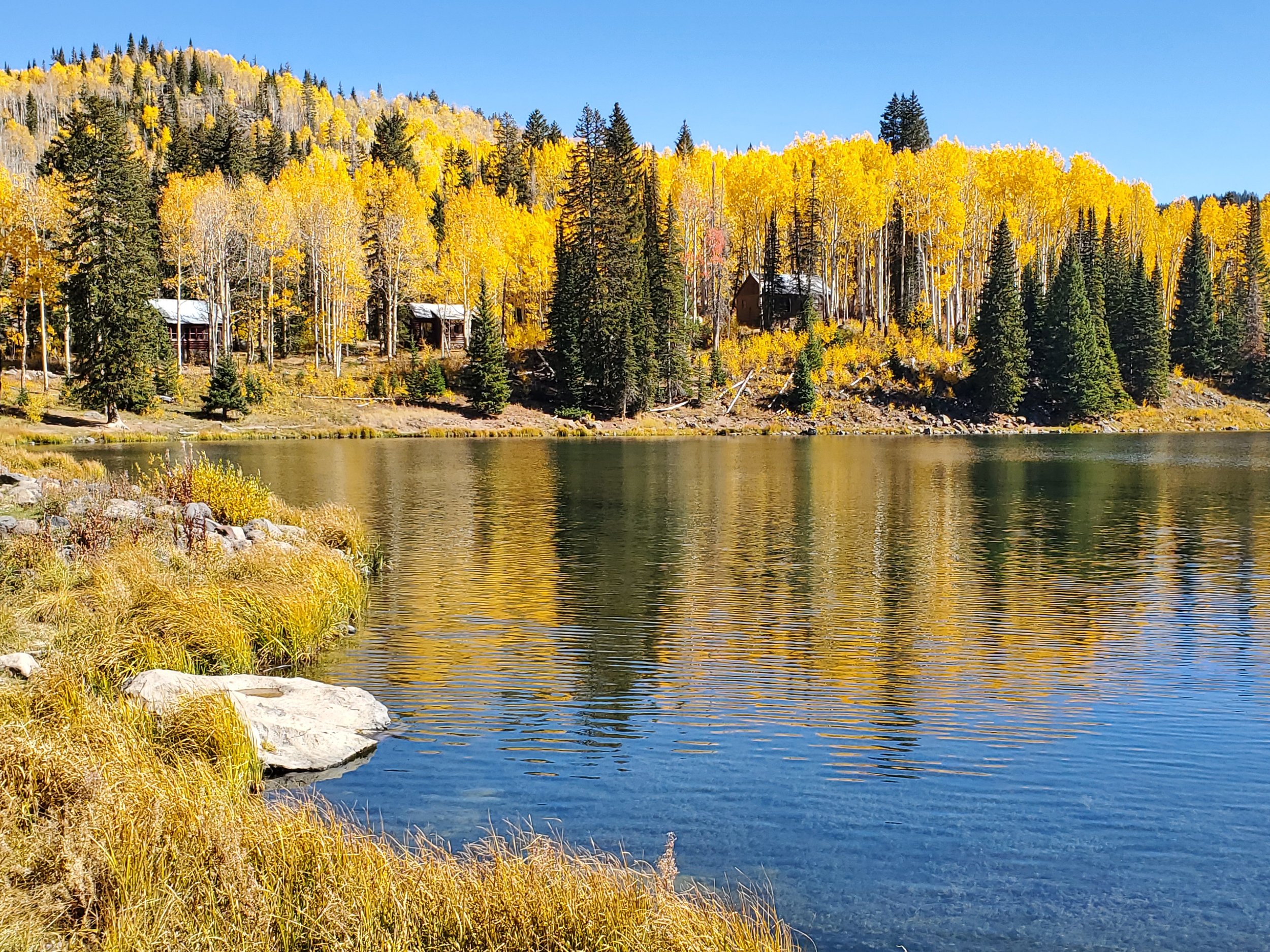
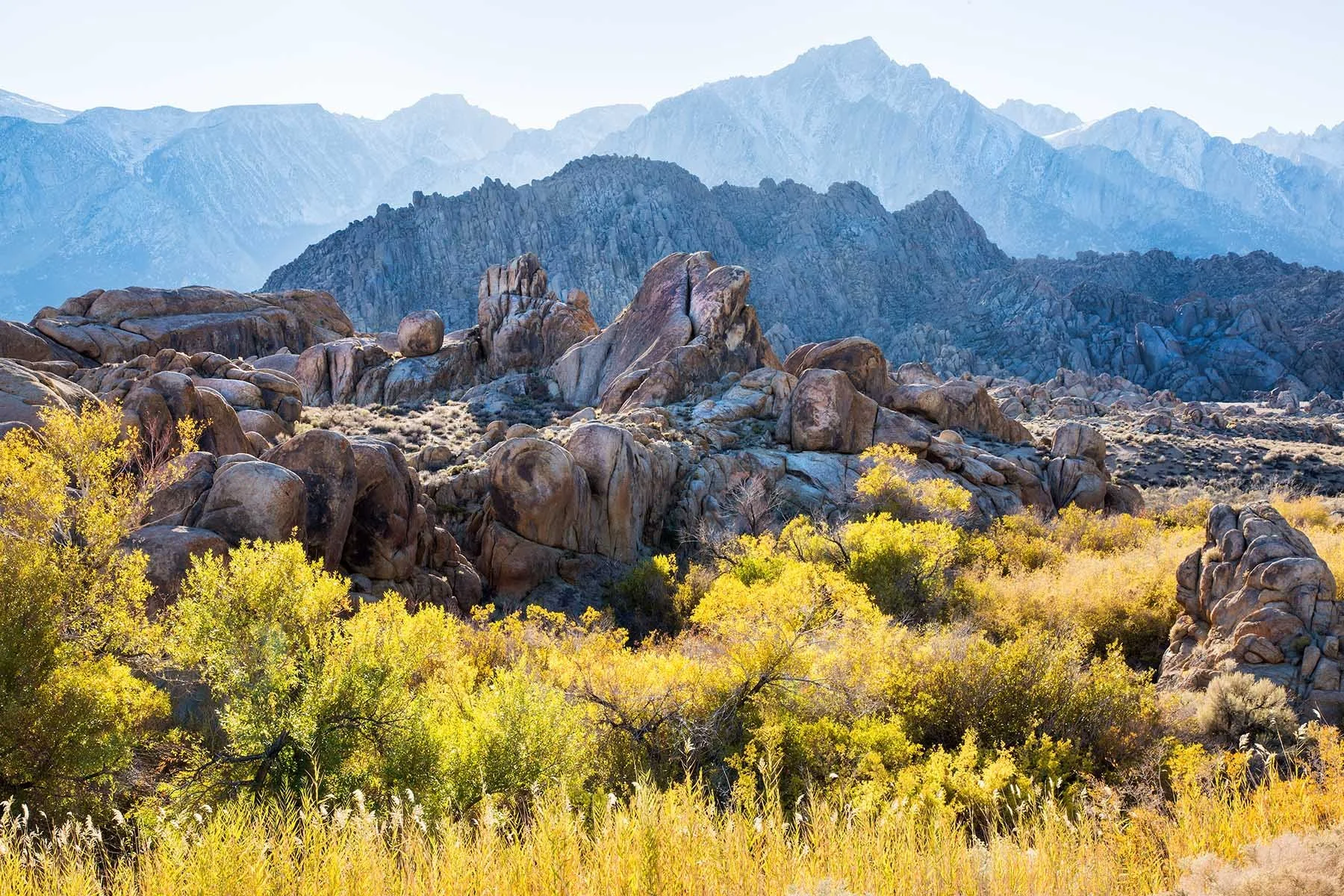
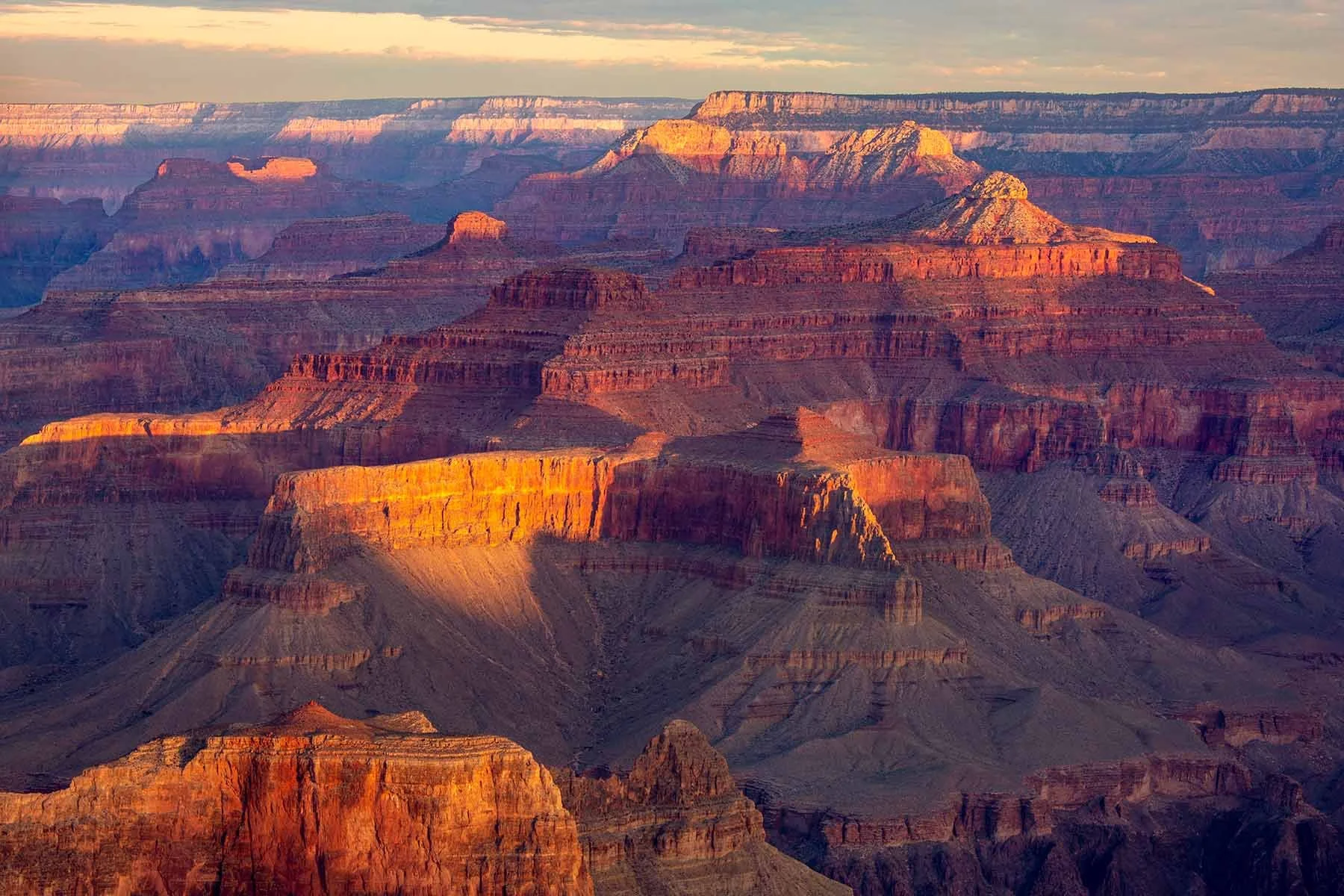
Although we had researched the monument in advance, we were still surprised by its sheer size, diversity, and beauty. The landscapes range from open desert to scrubby grasslands, steep canyons, and sharp mountain peaks. With cottonwoods and aspens glowing yellow in peak fall color, it was among the most beautiful places I’ve ever visited.
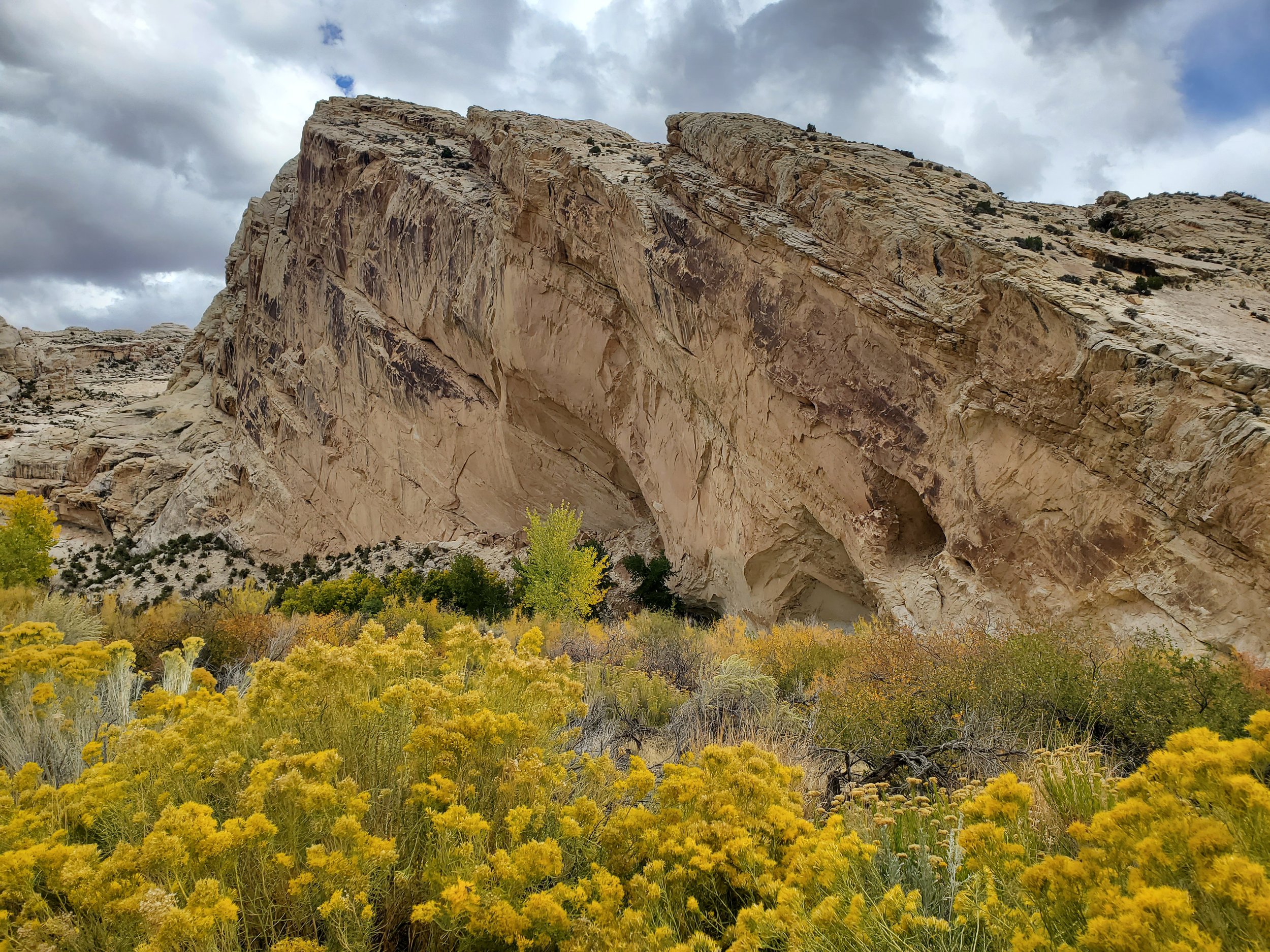
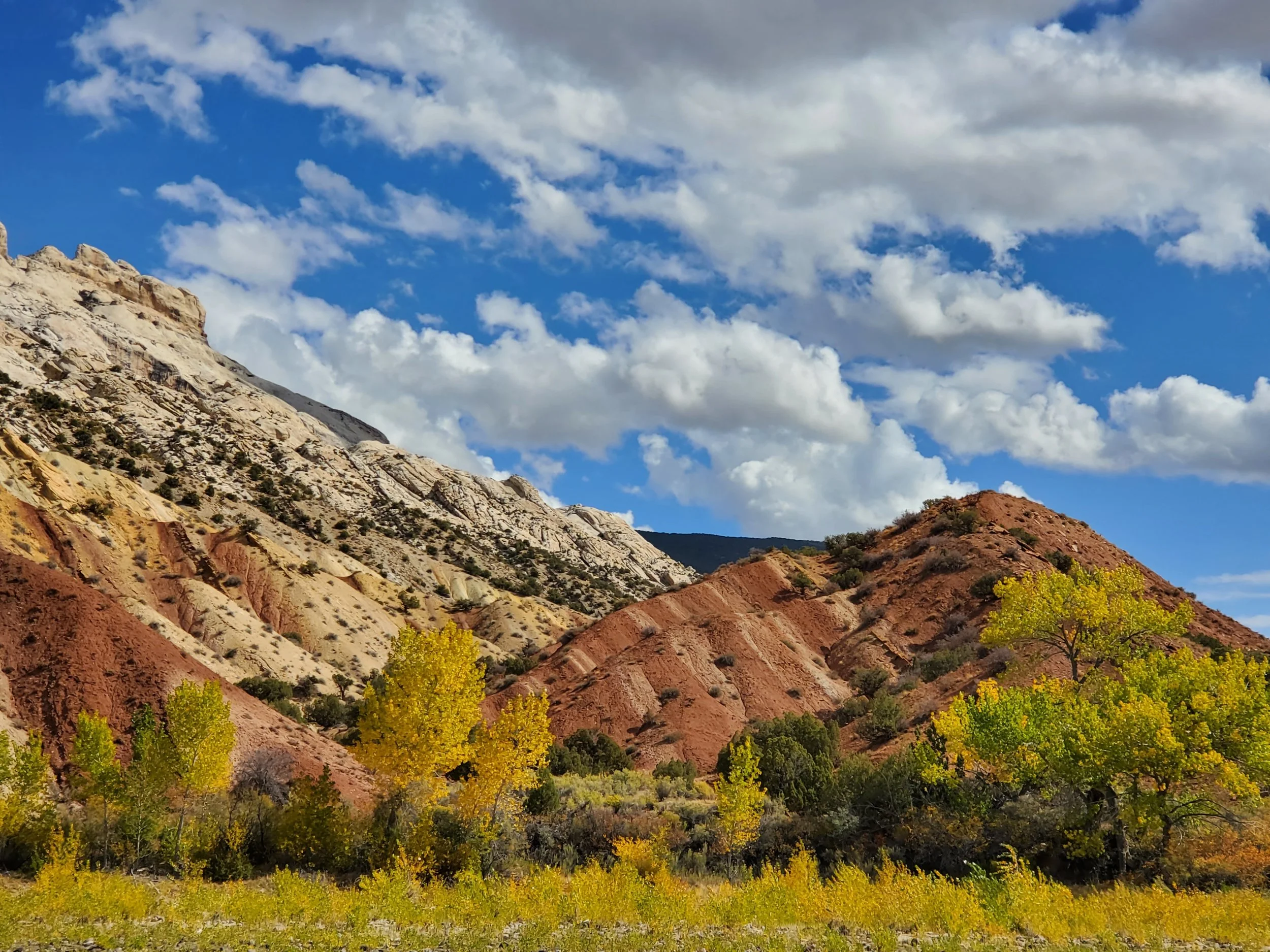
Split Mountain in Dinosaur National Monument
Dinosaur National Monument isn’t organized around a single main road. Instead, it has an east entrance near Vernal and a southern entrance, with various other roads entering the park from surrounding areas. The main visitor center at the east entrance houses an extraordinary dinosaur exhibit, with fossil bones embedded in a cliff face and the building constructed around them. Unfortunately, it was closed during our visit for renovations. Beyond the visitor center, the road winds through dramatic canyon landscapes dotted with Native American rock art. The Green River cuts through the park and passes beneath Split Mountain, a striking geological feature visible even from town.
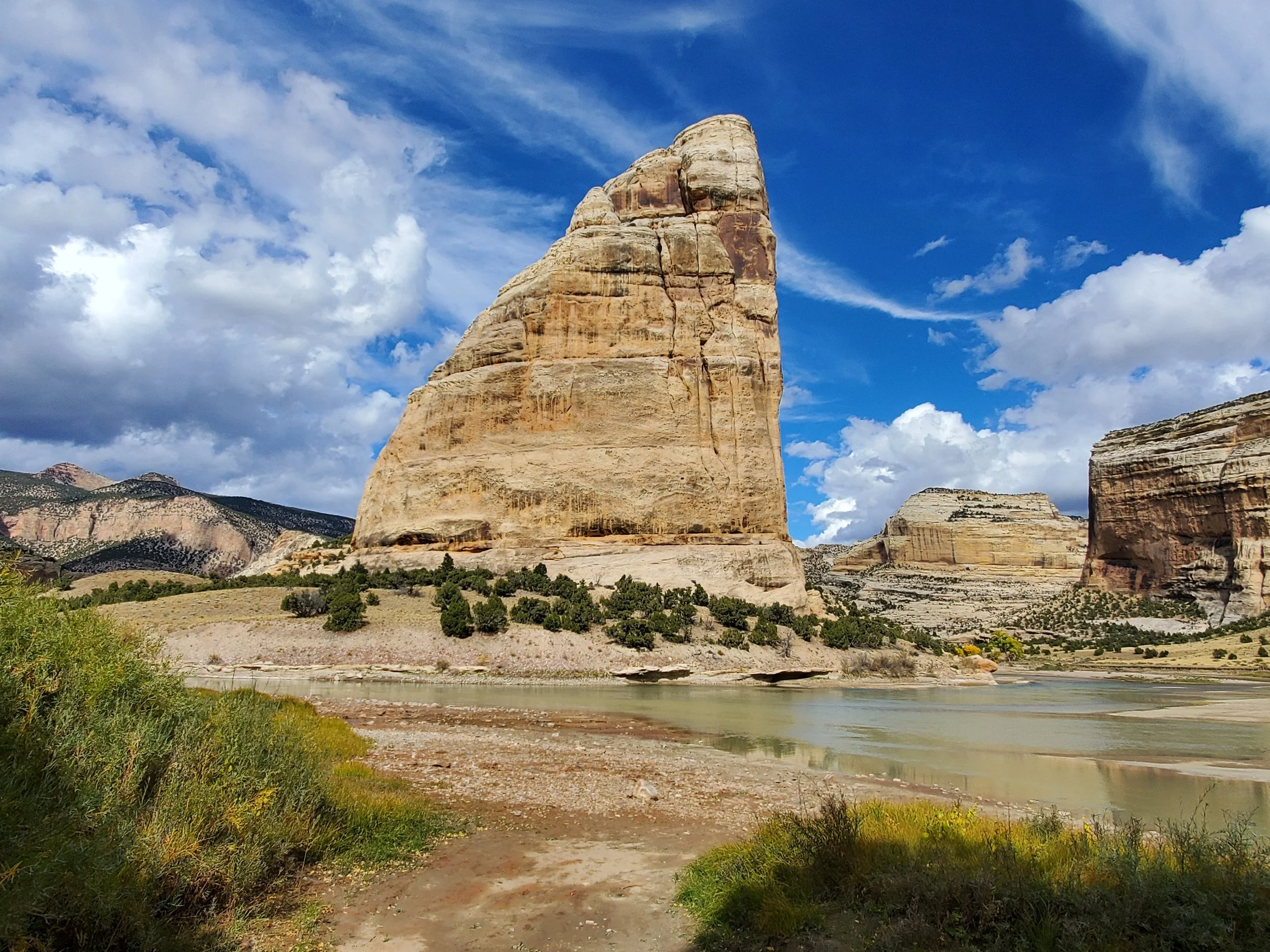
Steamboat Rock in Dinosaur National Monument
Several campgrounds sit along the river within the monument. One of the most beautiful is near Steamboat Rock, accessed via a rugged four-wheel-drive road from the southern entrance. The thirteen-mile descent drops from the rim to the valley floor, passing steep cliffs, broad valleys, old homesteads, and rock art panels, while crossing small creeks along the way. The Green River wraps around Steamboat Rock in a dramatic bend reminiscent of Horseshoe Bend near Page, Arizona. Normally busy with families enjoying the river, we had the place nearly to ourselves—spending more than an hour there without seeing another person on the beach.
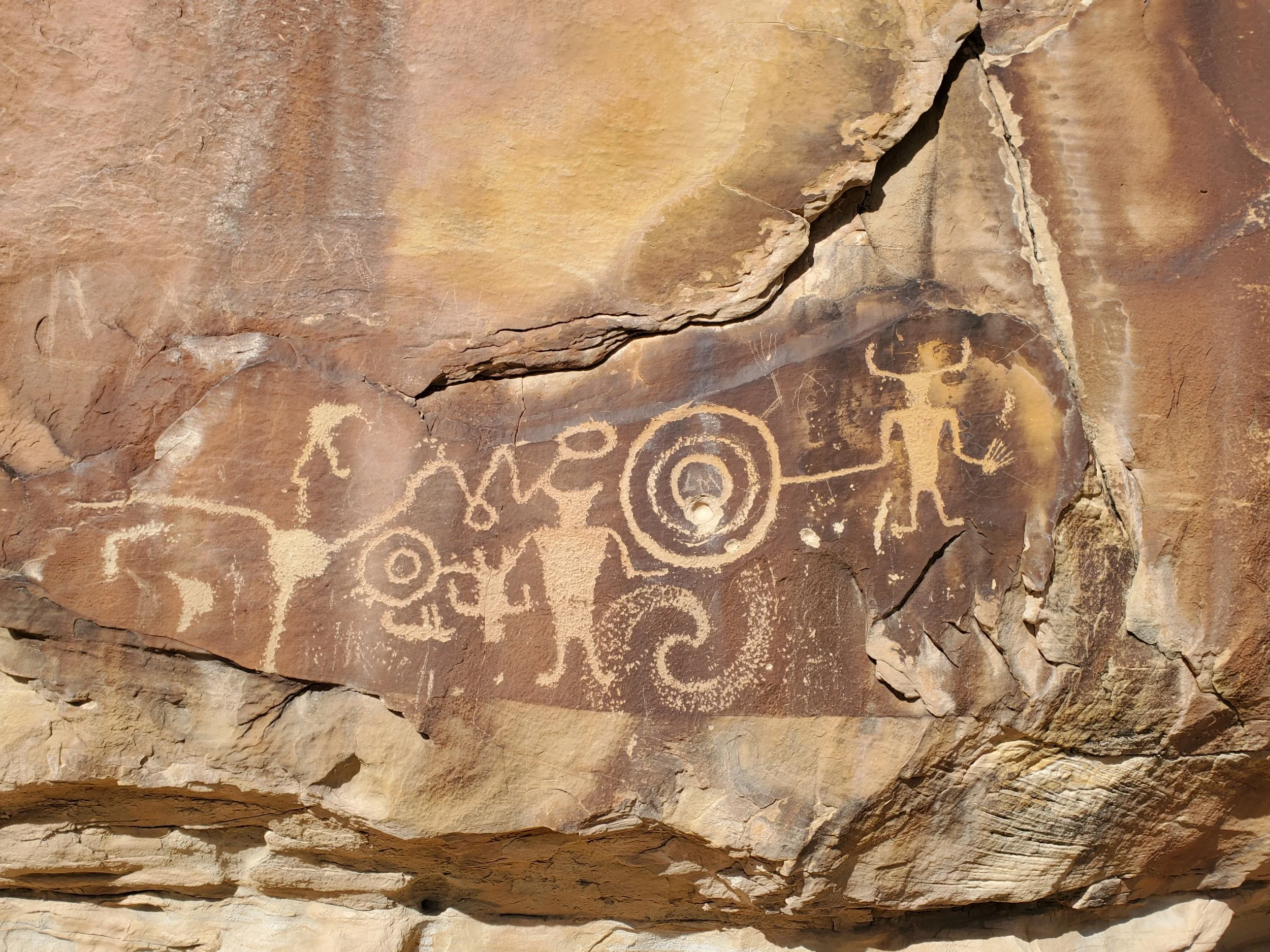
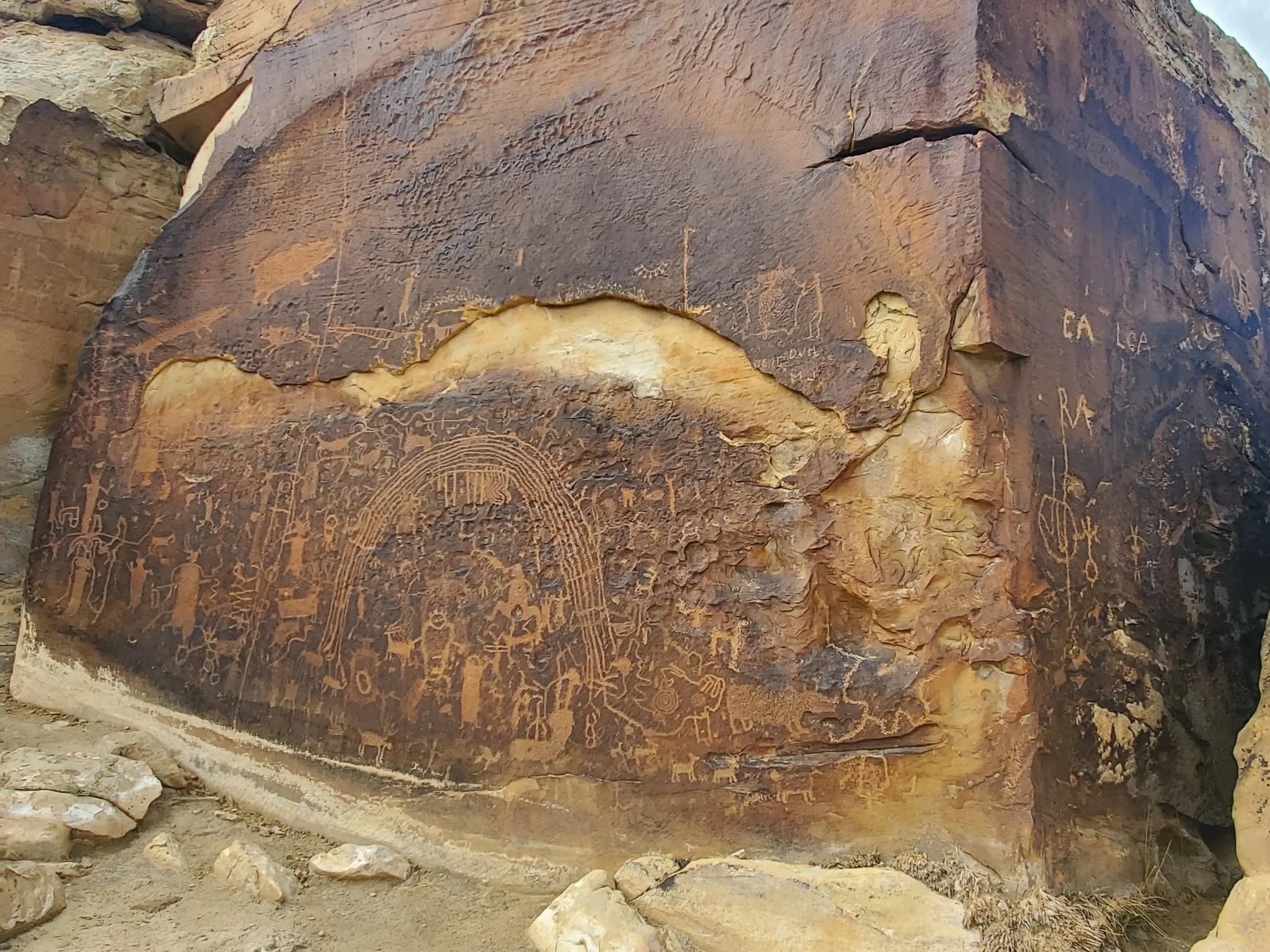
McKee Springs pertroglyphs
The visitor center at the southern entrance was closed, likely due to the shutdown, and over multiple visits we saw only a single ranger in that section of the park. From the northeast side, we took an old dirt mining road that ran more than ten miles before entering the park boundary near the remarkable McKee Springs rock art site. We stopped there for lunch and hiked up to the panels before continuing deeper into the monument. Over the course of five hours, we didn’t encounter another person until just before leaving the park that evening.
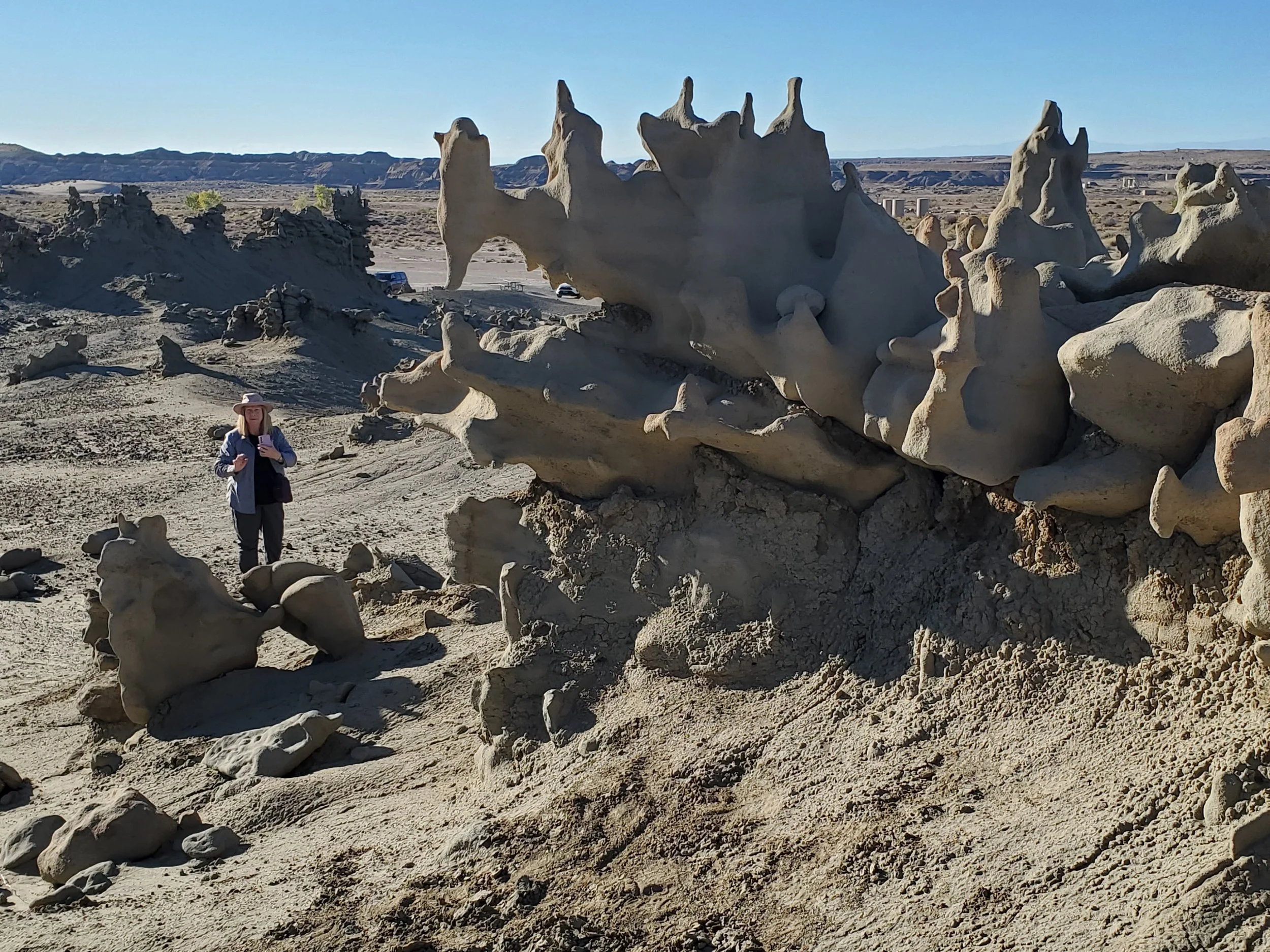
Fantasy Canyon
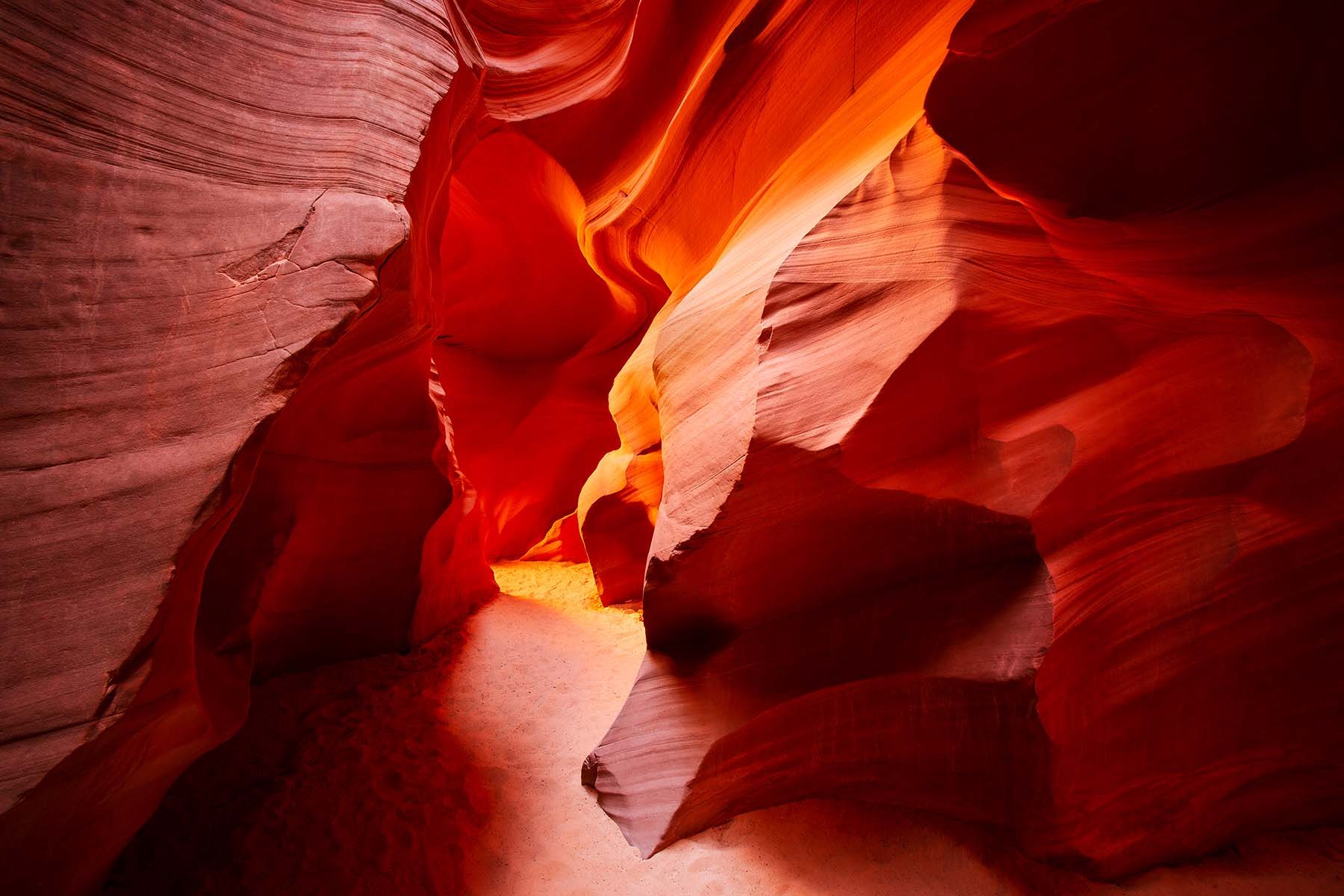
One afternoon we also drove more than an hour south of Vernal to visit Fantasy Canyon, a little-known and highly unusual area recommended by a local shop owner. Though not part of Dinosaur National Monument, it’s set amid gas pipelines and oil derricks and features a compact collection of bizarre rock formations. Shaped on an ancient seabed millions of years ago, the formations resemble dripping sand sculptures—many evoking strange animals and humanoid figures. It was eerie, fascinating, and unlike anything else we saw on the trip.
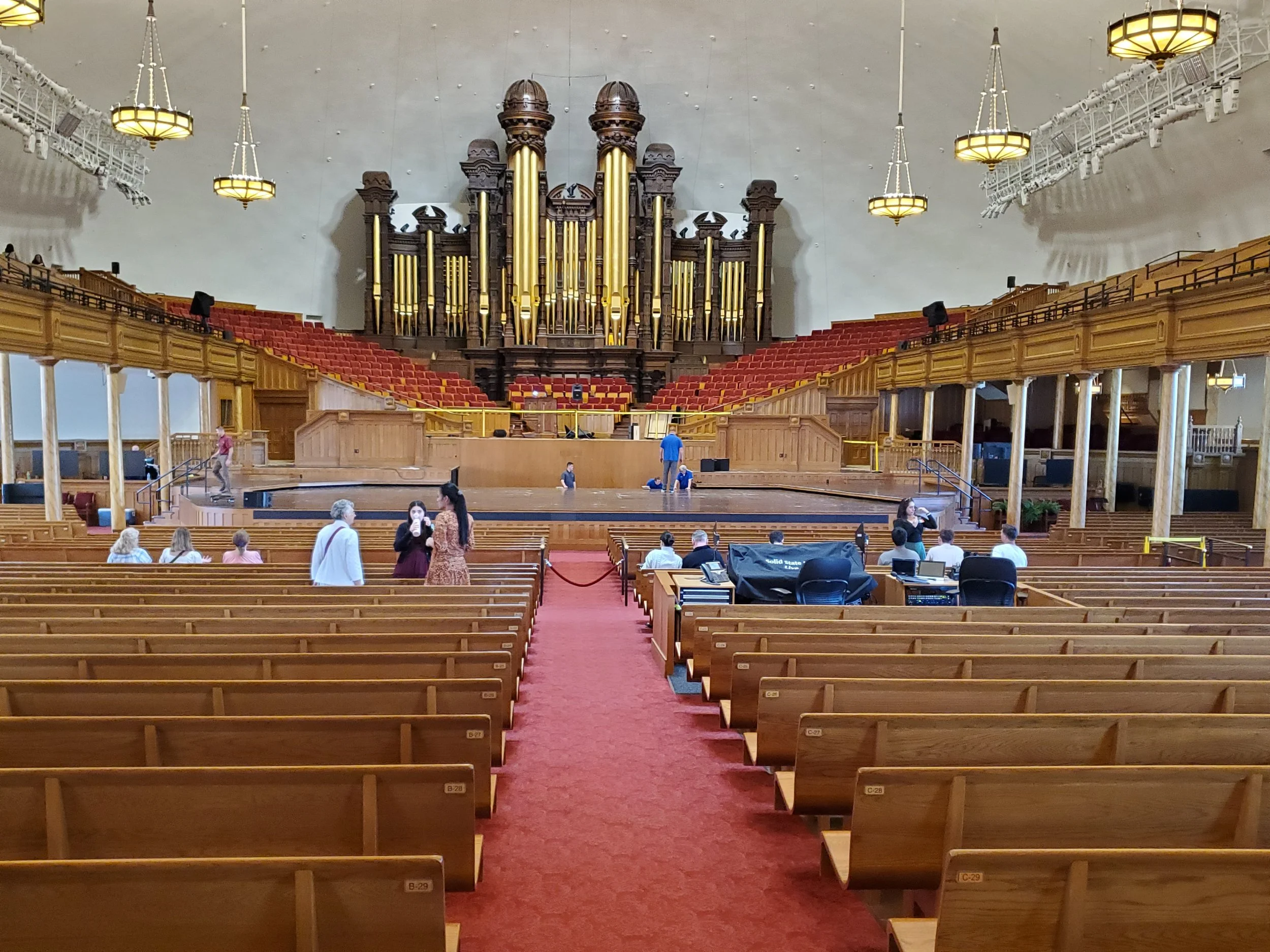
Mormon Tabernacle, Salt Lake City,Utah
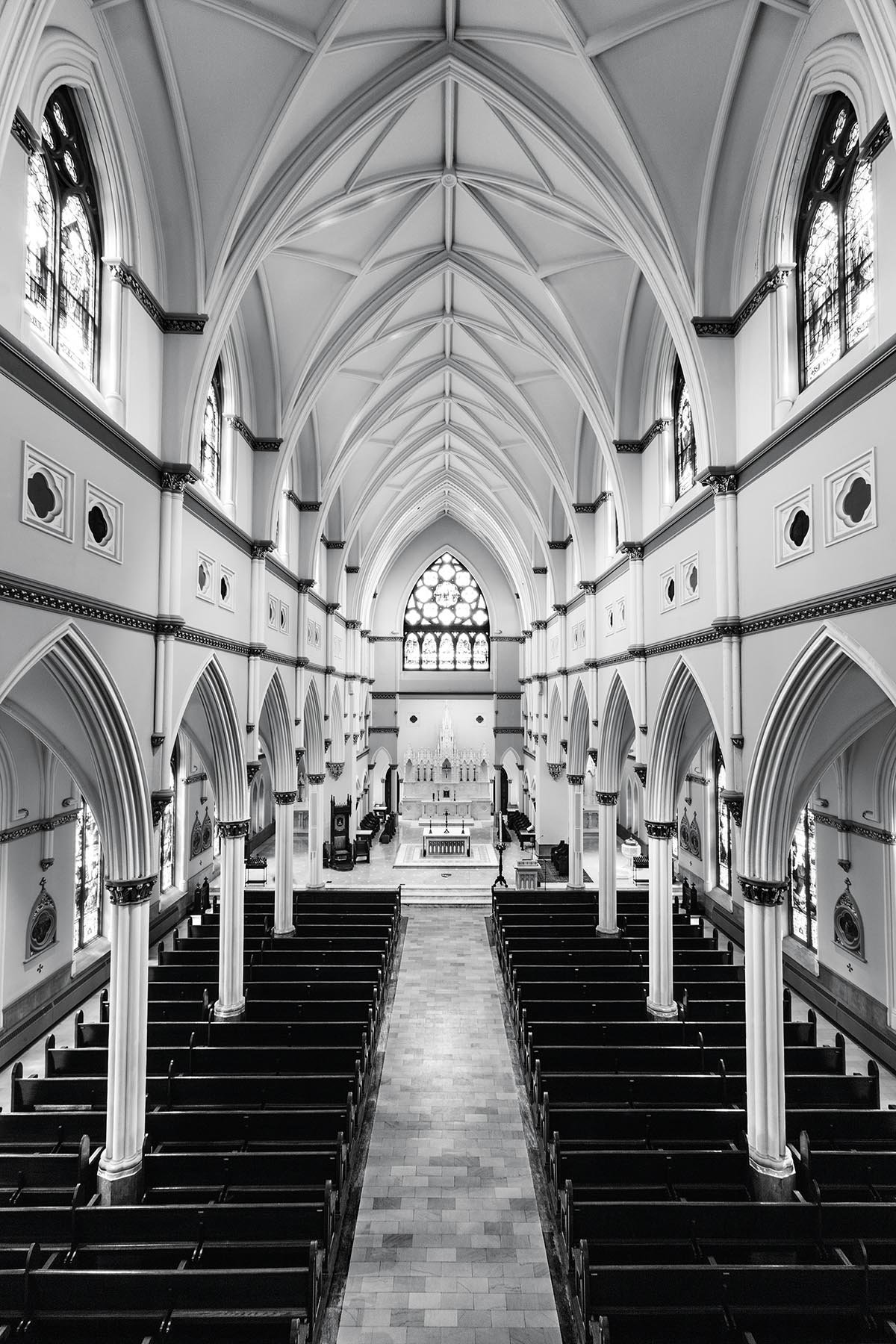
After leaving Vernal, we returned to Salt Lake City for two nights before flying home. We spent a day exploring the city, visiting the Mormon Tabernacle—home to the renowned choir—and the internationally known Family History Center. I had long wanted to see the center and expected only a brief walk-through, but instead we were immediately welcomed. A volunteer spent a couple of hours helping us explore our family tree, an experience far richer than I had imagined.
While I can’t say I fully understand Mormon theology, spending time in Utah makes it clear how central the Mormon settlement was—and remains—to the state’s history, development, and culture. The concentration of buildings in Salt Lake City reflects that legacy, set against the stunning backdrop of the Wasatch Mountains. It’s easy to see why they chose this place, and today the city has grown into a major destination for skiing and winter recreation, welcoming visitors from everywhere.
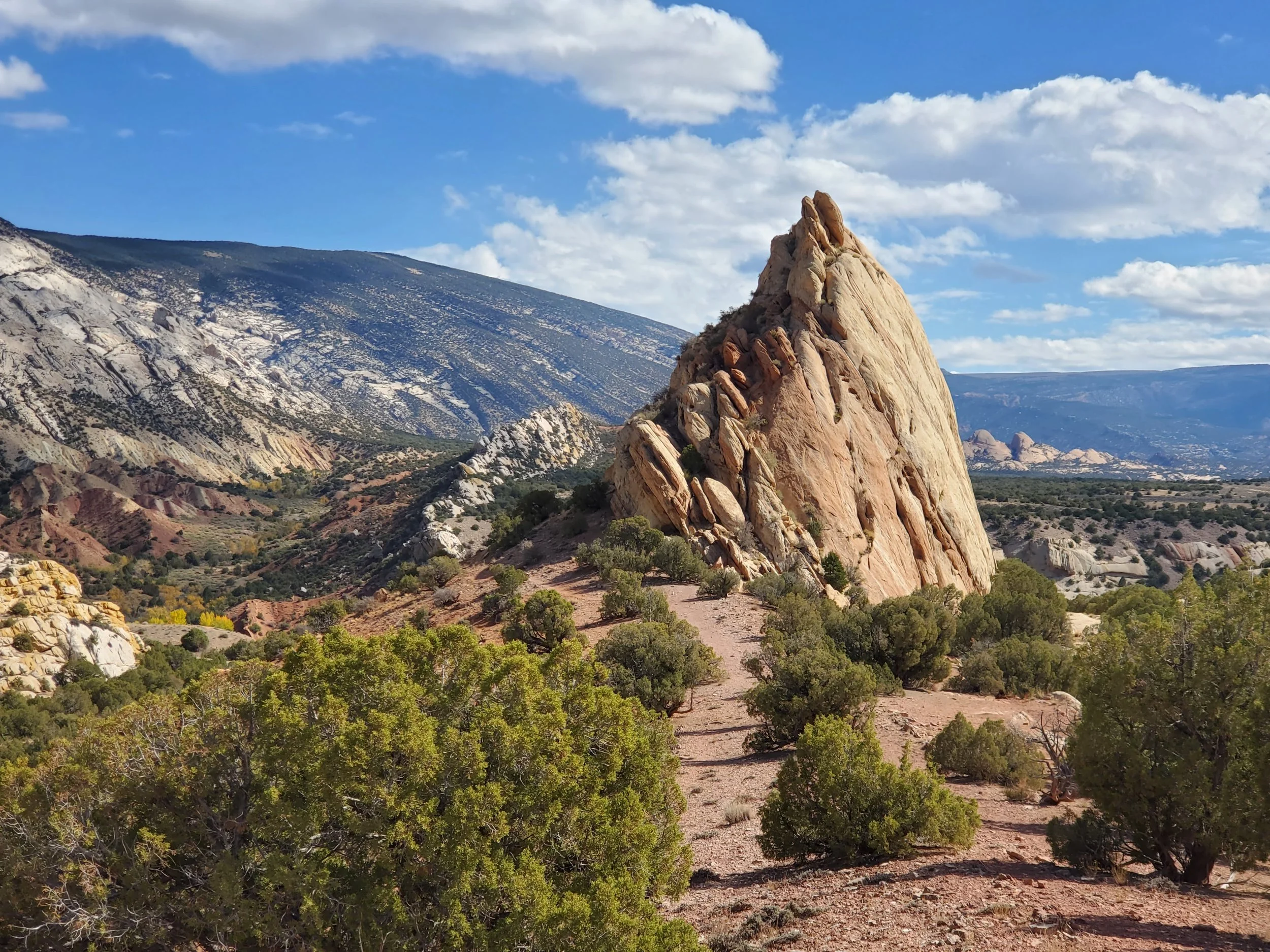
Dinosuar National Monument
In the end, this trip reminded us just how rewarding it can be to explore remote, lightly visited national monuments and lesser-known landscapes. National monuments often offer fewer crowds, solid facilities, and natural beauty that rivals any national park. If you ever get the chance to visit these places, I highly recommend it. And if you’re planning a trip of your own or have questions, feel free to reach out—I’m always happy to talk travel.
Top of Form
Bottom of Form